
Ayurvedic Treatment for Joint Pain and Arthritis: Natural Ways to Improve Mobility
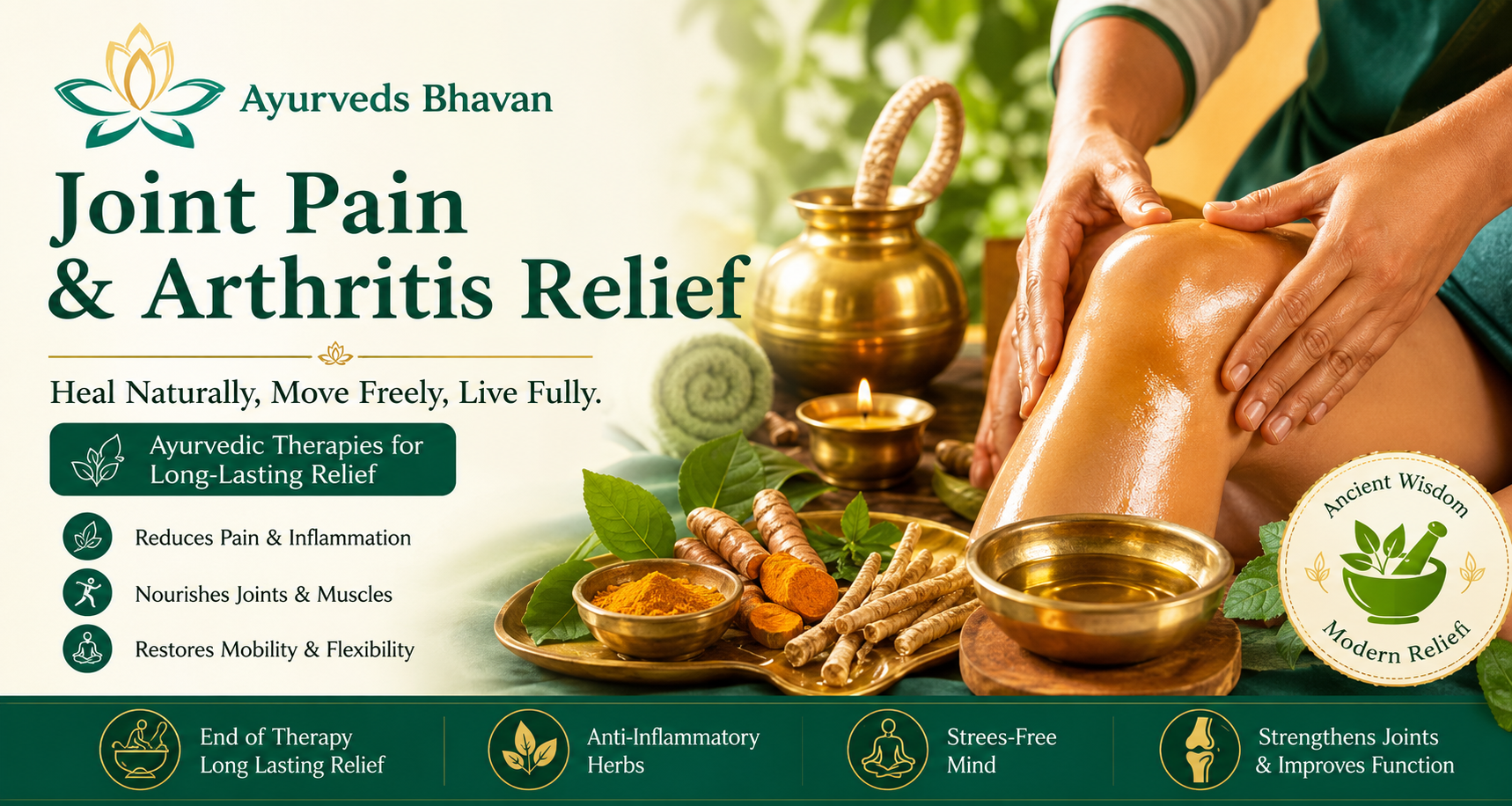
It used to be something you’d mostly hear from older relatives — a bad knee, a stiff back, trouble getting up from a chair. These days, it’s just as common to hear it from someone in their late twenties who spends most of the day at a desk. Long hours, poor posture, skipped workouts, and constant stress are catching up with people much earlier than they used to. And when joint pain sets in, it doesn’t just stay in the joint — it starts affecting how you move through your entire day.
Most people reach for painkillers first, which makes sense — they work, at least for a while. The problem is they’re only ever addressing the symptom, not whatever’s actually causing it. Ayurveda takes a different route. Rather than just numbing the pain, it tries to understand what’s going on underneath it and works to restore balance from there.
If you’re looking for the Best Ayurvedic and Panchakarma Clinic in Rishikesh, Ayurveda Bhavan is worth knowing about — traditional therapies, experienced doctors, daily yoga, and treatment plans built around the individual rather than a fixed template. With over 18 years in practice, they’ve worked with a lot of people trying to move more comfortably again.
What’s Actually Going On With Joint Pain
Joint pain covers a lot of ground — discomfort, stiffness, swelling, in the knees, shoulders, hips, neck, back, or hands. Arthritis is probably the most familiar cause, showing up when joints become inflamed or gradually wear down.
There’s a common assumption that this is just what aging looks like, and while age does raise the risk, it’s rarely the whole story. Lifestyle plays a bigger role than most people give it credit for. Left unaddressed, joint pain quietly starts limiting things — climbing stairs, sitting through a long meeting, lifting something heavier than expected — and eventually it bleeds into sleep and work too.
Where Joint Pain Usually Comes From
A few patterns show up again and again:
- Aging – Cartilage naturally thins over time, and flexibility drops along with it.
- Inactivity – Sitting for long stretches weakens the muscles that support the joints.
- Extra body weight – More pressure on the knees, hips, and lower back adds up over years.
- Old injuries – Past sports injuries or fractures can keep affecting joints long after they’ve “healed.”
- Poor posture – Bad sitting or standing habits put constant strain on the spine and neck.
- Inflammation – Ongoing inflammation inside the joint is often what drives the stiffness and swelling.
Early Signs Worth Paying Attention To
Joint issues rarely show up overnight — they build gradually, which is exactly why they’re so easy to ignore until they’re not:
- Stiffness right after waking up
- Pain while walking or climbing stairs
- Swelling around a joint
- Trouble bending the knees
- Reduced flexibility overall
- Clicking or popping sounds during movement
- Back or neck discomfort
- Pain after sitting too long
- Weaker grip strength
- Struggling with everyday tasks
If any of this has been going on for a few weeks, it’s worth getting an actual Ayurvedic evaluation instead of just waiting it out.
Why Painkillers Only Get You So Far
Painkillers do what they’re meant to do — reduce discomfort for a while. But once they wear off, the pain tends to come right back, because the underlying issue was never touched. Ayurveda approaches this more holistically, looking at digestion, lifestyle, body type, and daily habits before deciding on a treatment plan — which is a big part of why the results tend to hold up longer.
How Ayurveda Looks at Joint Health
According to Ayurveda, joint health comes down to internal balance. When digestion is weak, a waste product called Ama builds up, and this buildup can disturb the body’s natural balance — showing up as stiffness, discomfort, and reduced flexibility.
The other major factor is Vata Dosha, which governs movement in the body. When Vata goes out of balance, people often notice dryness, cracking joints, stiffness, and pain. Ayurvedic treatment for joint pain generally works by improving digestion, reducing Ama accumulation, and rebalancing Vata through herbal medicine, diet, and targeted therapies — planned individually rather than applied the same way to everyone.
Ayurvedic Therapies That Support the Joints
- Herbal oil massage – Warm medicated oils applied with specific techniques to improve circulation and relax the muscles around the joints.
- Localized oil therapy – Targeted treatment for specific problem areas like the knees or lower back.
- Herbal medicines – Prescribed based on body type and condition, usually alongside other therapies.
- Therapeutic steam – Often follows oil massage to relax muscles further and prepare the body for additional treatment.
- Yoga and gentle movement – Simple postures and stretches that build flexibility without overloading the joints.
None of these work particularly well in isolation — they’re designed to work together as part of one coordinated plan.
How Panchakarma Fits Into Joint Care
A lot of joint pain traces back to poor digestion and years of toxin buildup, which is why cleansing the body often comes before anything else in Ayurveda. This is where Panchakarma Treatment Rishikesh becomes relevant — a structured detox process planned entirely around the patient’s medical history, body type, and current symptoms.
The World Health Organization’s traditional medicine strategy recognizes practices like this as part of a broader, evidence-informed approach to wellness — not a replacement for medical care, but a complementary one. Done properly, Panchakarma helps clear accumulated toxins, improves digestion, and supports circulation, which combined with herbal therapy, yoga, and diet, can noticeably support joint comfort and mobility over time.
Everyday Habits That Protect Your Joints
Treatment is only part of the picture — daily habits matter just as much:
- Maintain a healthy weight – Less pressure on the knees, hips, and lower back.
- Stay active – Regular movement keeps joints flexible and muscles strong.
- Eat well – Fresh vegetables, seasonal fruit, and whole grains support bone and joint health.
- Stay hydrated – Simple, but it genuinely supports normal joint function.
- Fix your sitting posture – Especially relevant if you’re at a desk most of the day.
- Practice yoga regularly – Builds flexibility, balance, and strength over time.
- Sleep properly – The body does most of its repair work while you’re asleep.
Yoga’s Role in Joint Care
Yoga and Ayurveda have always gone hand in hand — both are built around balancing body and mind rather than treating them separately. At Ayurveda Bhavan, yoga is woven into most treatment programs, with sessions suited to complete beginners and experienced practitioners alike, including gentle stretching, breathwork, joint mobility work, and meditation.
Choosing the Right Clinic for Joint Care
The clinic matters as much as the treatment plan itself — experience, qualified doctors, and a calm environment all shape how well the treatment actually works. If you’re exploring an experienced Panchakarma Centre in Rishikesh, Ayurveda Bhavan brings government-authorized AYUSH services, over 18 years of clinical experience, individualized treatment plans, daily yoga, comfortable stays, and continued online consultation after you leave — with patients coming from more than 30 countries specifically for this kind of care.
Who Tends to Benefit Most
- Older adults dealing with joint stiffness
- Office workers with back or neck discomfort
- People with knee pain
- Anyone recovering from an old injury
- Those living with arthritis
- People with reduced flexibility
- Anyone wanting to improve mobility naturally
Every plan still starts with a proper consultation — not a one-size-fits-all program.
A Few Common Questions
Can Ayurveda actually help with joint pain? Yes, through personalized therapies, herbal medicine, yoga, and lifestyle changes — though the specific plan depends entirely on the individual.
Is Panchakarma right for every patient? No — doctors evaluate the patient first before deciding if it’s appropriate.
How long does treatment usually take? It varies based on the condition and the program the doctor recommends.
Are yoga sessions part of it? Yes, most programs include daily yoga and meditation under proper guidance.
Your Next Step Toward Pain-Free Movement
Healthy joints matter more than people realize — until they start slowing you down. Rather than relying on short-term relief, Ayurveda works on the root cause and supports the body’s own healing process.
At Ayurveda Bhavan, this isn’t a one-size-fits-all program — it’s care built around you, your body, and how you actually live. If you’re considering Ayurvedic Treatment in Rishikesh, you’re not just booking a treatment; you’re stepping into nearly two decades of experience, government-authorized care, daily yoga by the Ganga, and doctors who stay with you well beyond your stay. That’s the difference Ayurveda Bhavan is built on — helping you move freely again, and stay that way.