
Ayurvedic Ways to Help Women’s Reproductive Health Naturally
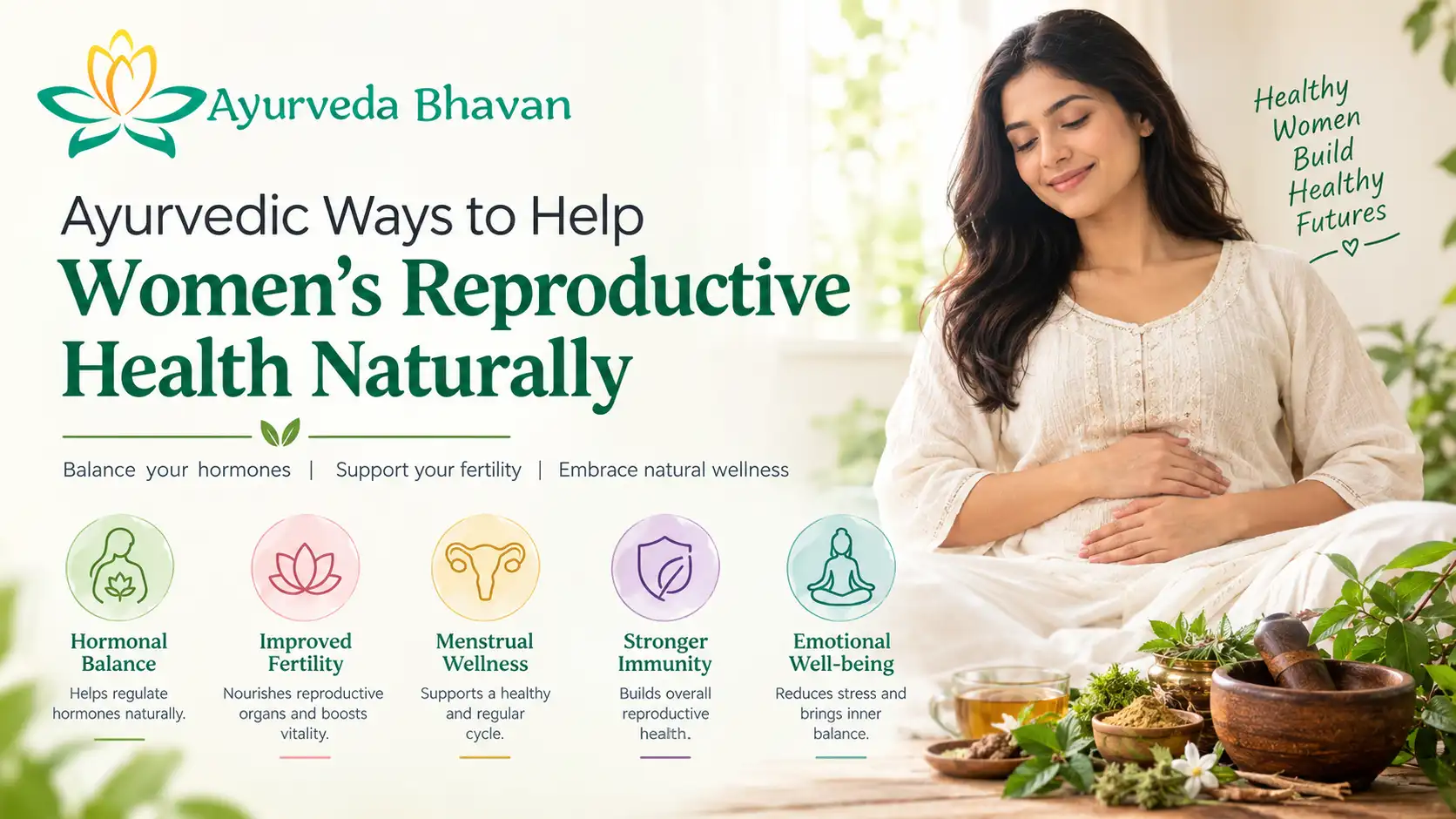
The unique features of the reproductive health of each woman can tell their own stories. Irregular periods, mood fluctuations, fatigue, or inability to conceive should never be ignored and left untreated. At Ayurveda Bhavan, we think that real healing should always start from addressing the underlying reasons rather than symptoms. This is when the traditional medicine of Ayurveda becomes relevant.
Here is our blog on the tips and techniques used by generations of healthy women in order to improve their reproductive health.
Why Choose Ayurveda for Women’s Reproductive Health?
The current lifestyle is not only exhausting but harmful to the body, which suffers from the negative effects of stress, improper nutrition, staying up late, and a sedentary life, thus disturbing the fine hormonal balance responsible for reproductive functions. While conventional medicine treats the symptoms only, Ayurveda considers the person’s nutrition, lifestyle, mental status, and body constitution.
The Ayurvedic approach to women’s reproductive health is based on restoring the balance of all three doshas, namely Vata, Pitta, and Kapha, because their imbalance affects the menstrual cycle and female reproductive health in general.
Common Signs Your Reproductive Health Needs Attention
Before jumping into remedies, it helps to recognize the signs your body might be giving you:
- Irregular or painful periods
- Heavy or very light bleeding
- Mood swings and irritability before periods
- Low libido or fatigue
- Difficulty conceiving
- Skin issues or acne linked to hormonal imbalance
If any of these sound familiar, it’s worth exploring natural solutions before relying on long-term medication.
Ayurvedic Ways to Support Reproductive Health Naturally
1. Eat According to Your Dosha
Food is considered medicine in Ayurveda. Warm and easy-to-digest foods are advised rather than cold or processed foods. The inclusion of ghee, sesame, dates, and seasonal fruits in your daily intake will help nourish reproductive tissues known as “Artava Dhatu” in Ayurveda.
It is better to avoid too much caffeine, sugar, and junk foods, as they may irritate Pitta and disrupt the hormonal balance.
2. Herbs That Make a Real Difference
Certain Ayurvedic herbs have been used for generations to support natural reproductive health care for women:
- Shatavari – known as the queen of herbs for women, it helps balance hormones and supports fertility.
- Ashoka – traditionally used for managing menstrual irregularities and pain.
- Lodhra – helpful in regulating heavy bleeding.
- Aloe Vera – supports a healthy uterus and menstrual flow.
It’s always best to take these under the guidance of a qualified Ayurvedic doctor rather than self-prescribing.
3. Daily Routine (Dinacharya) Matters
Early rising, yoga practice, and timely sleep may seem easy to do, but they are profoundly influential for your hormonal health. It keeps the Vata dosha balanced, which is related to menstruation and nervous systems.
4. Yoga and Gentle Movement
Certain yoga asanas like Butterfly Pose, Child’s Pose, and Supta Baddha Konasana help improve blood flow to the pelvic region and ease menstrual discomfort. Regular, gentle movement also reduces stress hormones that often disrupt reproductive balance.
5. Panchakarma for Deep Detox
For women dealing with long-standing hormonal issues, Ayurveda recommends Panchakarma — a detox therapy that cleanses the body from within. Treatments like Uttar Basti and Vamana are specifically designed to support reproductive health when done under expert supervision.
If you’re looking for authentic, guided care, visiting an ayurvedic women health in Rishikesh centre can make a real difference, as these treatments require proper diagnosis and trained practitioners to be truly effective.
6. Managing Stress the Ayurvedic Way
Stress is one of the biggest silent disruptors of reproductive health. Practices like Abhyanga (oil massage), meditation, and pranayama help calm the nervous system, which in turn supports regular ovulation and hormonal balance.
How Long Does It Take to See Results?
Ayurveda works gradually and gently, focusing on long-term healing rather than instant results. Most women begin noticing changes in energy levels and cycle regularity within 2–3 months of consistent practice, though every body responds differently based on its current imbalance.
When Should You See an Ayurvedic Expert?
While home remedies and lifestyle changes help a lot, certain conditions like PCOS, endometriosis, or fertility concerns need personalized treatment plans. Consulting the best ayurvedic and panchakarma centre in Rishikesh can help you get a proper diagnosis and a customized treatment approach instead of generic advice.
Frequently Asked Questions
Can Ayurveda really help with irregular periods?
Yes, Ayurveda addresses the root cause of irregular periods, often related to dosha imbalance, diet, or stress, and helps restore natural cycle regularity over time.
Is Ayurvedic treatment safe for fertility issues?
Ayurvedic treatments are generally gentle and safe when taken under expert supervision, and many women use them alongside modern fertility care for better results.
How is Ayurvedic women’s health care different from modern treatment?
Instead of only managing symptoms, Ayurveda works on balancing the body’s internal systems, aiming for sustainable, long-term wellness rather than temporary relief.
Final Thoughts
Taking care of your reproductive health doesn’t have to mean relying only on medications. With the right diet, herbs, routine, and expert guidance, Ayurveda offers a natural, holistic path to lasting wellness. At Ayurveda Bhavan, we’re committed to helping women reconnect with their body’s natural rhythm — the gentle, time-tested Ayurvedic way.
Recommended Posts

Understanding the 5 Therapies of Ayurvedic Panchakarma
October 27, 2026

Ayurvedic Detox Myths vs Facts: What You Should Know
October 24, 2026

6 Ayurvedic Detox Practices to Clean Your Body & Mind Naturally
October 1, 2026