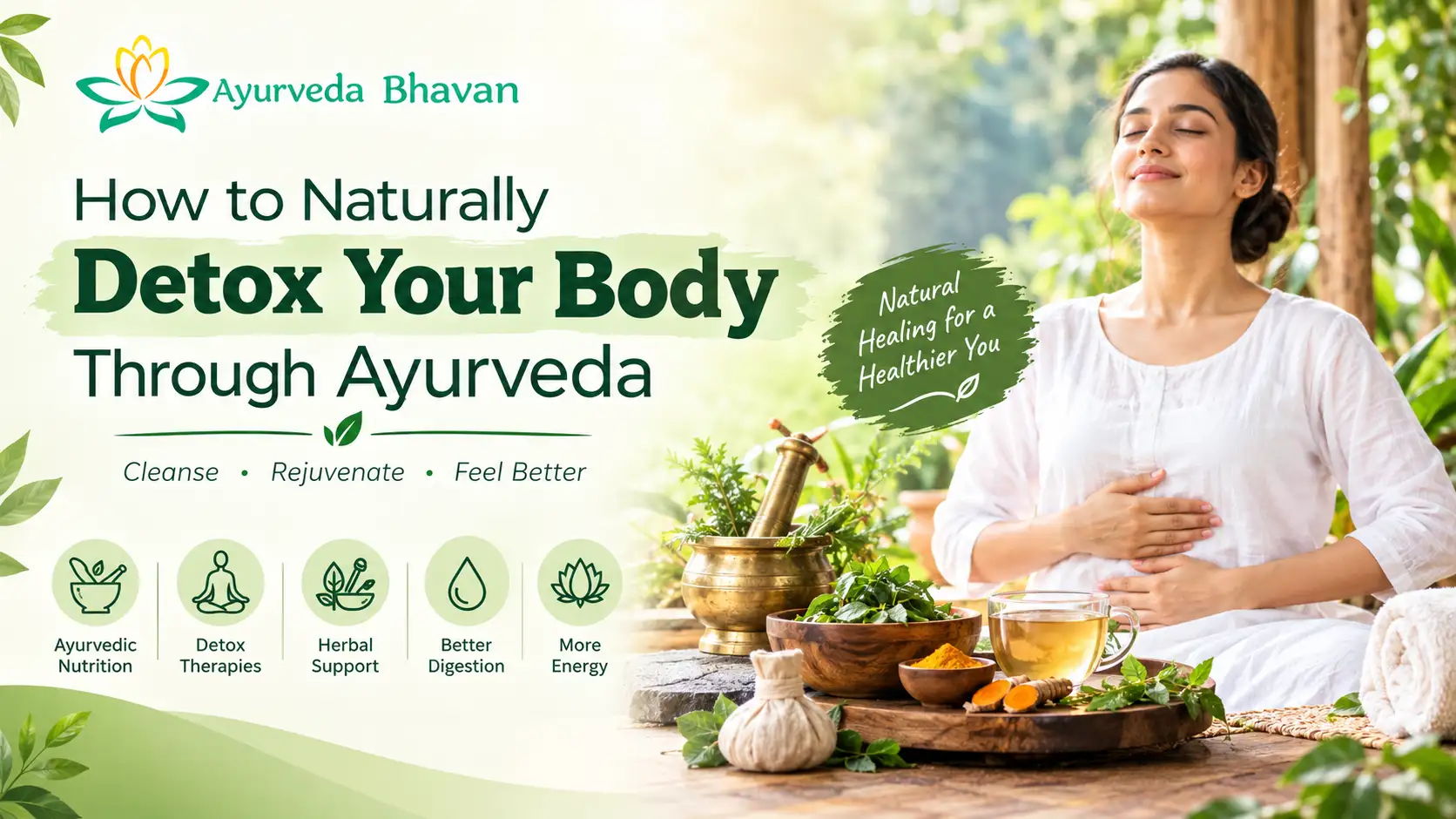
How to Naturally Detox Your Body Through Ayurveda?
Quick Answer
There are three things which one must do for natural cleansing of their body with the help of Ayurveda and they include:
1) Increasing strength of your digestion system (Agni)
2) Getting rid of toxins (Ama)
3) Sticking to your daily routine
What this means is having warm water, taking fresh food and light food, using mild herbs such as Triphala, exercising on a daily basis and sleeping on time etc.
What Does “Detox” Mean in Ayurveda?
Detox is usually seen by people as either a juice fast or two weeks of diet. The concept of detox in Ayurveda is entirely different from what people perceive.
The body has a detoxifying system which comprises the liver, kidneys, intestines, skin, and lungs. According to Ayurveda, the above system functions well if your digestion is strong. However, when it is not good enough, there are instances when food is not properly digested. The remaining material becomes a sticky and sluggish material known as ama.
Imagine ama being a buildup of matter on the pan that has not been washed thoroughly.
- Constant tiredness or a heavy feeling
- Bloating, gas or irregular bowel movements
- A white coating on the tongue
- Dull skin
- Foggy thinking
- Bad breath or body odour
So in Ayurveda, detox is not about starving yourself. It is about fixing digestion, so the body can clean itself.
Signs Your Body May Need a Detox
You do not need a fancy test to notice this. Ask yourself:
- Do I wake up feeling tired even after sleeping?
- Is my tongue coated when I wake up?
- Do I feel bloated after most meals?
- Is my appetite irregular, either too low or too strong?
- Do I feel sluggish, low or mentally cloudy?
If you said yes to a few of these, your body may be asking for a reset. If symptoms are severe or long-lasting, please see a doctor first.
9 Simple Ways to Naturally Detox Your Body Through Ayurveda
These are easy ways to detox your body naturally, and you can begin most of them at home today.
1. Start your morning with warm water
Have a glass of warm water first thing after waking up. It wakes up the digestive system, supports bowel movement and gently flushes the gut. Add a few drops of lemon if you like, but plain warm water works well too.
2. Scrape your tongue daily
That white layer on your tongue is a visible sign of ama. Use a copper or steel tongue scraper every morning. It takes 30 seconds and it is one of the simplest habits in Ayurveda.
3. Sip a digestive tea through the day
A classic Ayurvedic drink is made with cumin, coriander and fennel seeds. Boil half a teaspoon of each in about two glasses of water for a few minutes, strain, and sip it warm through the day. It is light, soothing and easy on the stomach.
4. Eat light, warm and freshly cooked meals
Your gut finds it easier to process food that is warm, soft and freshly made. During a detox, try:
- Kitchari, a simple mix of rice, split mung dal and mild spices
- Steamed or cooked vegetables
- Thin vegetable soups
- Seasonal fruits
Try to avoid packed snacks, deep-fried food, refined sugar, cold drinks, and leftovers that have been sitting in the fridge for days.
5. Use spices that support digestion
Your kitchen already holds natural helpers. Ginger, black pepper, turmeric, cumin, fennel and ajwain are all known in Ayurveda to support agni. Add them to your meals in normal amounts. More is not better here.
6. Try gentle herbs, with guidance
Some herbs are commonly used in Ayurveda for cleansing support:
- Triphala is a blend of three fruits, often taken at night to support regular bowel movement
- Guduchi is traditionally used for general wellbeing
- Neem is used for skin and blood cleansing
- Tulsi is used for the respiratory system and stress
Herbs are still medicine. Dosage depends on your body type, health condition and any medicines you already take, so speak to a qualified Ayurvedic practitioner before starting any of them.
7. Give yourself an oil massage (Abhyanga)
Warm sesame or coconut oil, massaged gently over the body before a bath, calms the nervous system and is said to support circulation and skin health. Even 10 minutes, a few times a week, can make a difference.
8. Move, breathe and sweat a little
Ayurveda supports daily movement, not extreme workouts. Yoga, walking, and breathing practices like Anulom Vilom and Kapalabhati help the body release stress and stay light. A gentle sweat is also part of natural cleansing.
9. Sleep early and keep a routine
This one is often ignored. Ayurveda says the body repairs itself at night, especially before midnight. Aim to sleep by 10 to 10:30 PM, eat meals at fixed times, and keep your dinner light. This daily rhythm is called dinacharya, and it is the base of every Ayurvedic detox.
What Is Panchakarma? (The Deep Detox)
If you want a more complete cleanse, Ayurveda offers Panchakarma, meaning “five actions.” It is a supervised therapy programme that removes deeply stored toxins and brings the body back into balance.
A full Panchakarma plan usually has three stages:
- Preparation (Purvakarma): oil therapies and steam to loosen toxins
- Main cleansing (Pradhanakarma): therapies chosen for your body type and condition
- Recovery (Paschatkarma): a careful diet and lifestyle to rebuild strength
Since the process is personalized, it must always be done with trained professionals. You must never attempt such treatment without the help of experts.
There is usually a desire among people to carry out such a treatment in an atmosphere free of any stress and in a place where food, therapy, yoga, and relaxation are all taken care of. An Ayurvedic Detox Yoga Retreat in Rishikesh is thus a preferred destination.
A Sample 1-Day Ayurvedic Detox Routine
| Time | What to do |
| 6:00 AM | Wake up, drink warm water, scrape your tongue |
| 6:30 AM | Light yoga and breathing practice |
| 8:00 AM | Warm, light breakfast (stewed fruit or porridge) |
| 12:30 PM | Main meal: kitchari with vegetables |
| 4:00 PM | Cumin-coriander-fennel tea |
| 7:00 PM | Light dinner, such as vegetable soup |
| 9:30 PM | Switch off screens, wind down |
| 10:00 PM | Sleep |
Things to Avoid While Detoxing
- Skipping meals or crash dieting
- Cold, iced or carbonated drinks
- Alcohol, smoking and too much caffeine
- Heavy, oily or processed food
- Late-night eating
- Working through stress with no rest
Who Should Be Careful?
Natural does not always mean safe for everyone. If you are pregnant, breastfeeding, elderly, living with a chronic illness, or taking regular medication, please talk to a doctor or an experienced Ayurvedic practitioner before making big changes.
Frequently Asked Questions
How do I naturally detox my body through Ayurveda at home?
Start with warm water, a light diet of freshly cooked food, tongue scraping, gentle yoga, and a regular sleep schedule. Add herbs only after speaking to an Ayurvedic doctor.
How long does an Ayurvedic detox take?
A home routine can be followed for 3 to 7 days as a gentle reset. A full Panchakarma programme usually takes 7 to 21 days, depending on your health needs.
Is Ayurvedic detox safe?
For most healthy people, simple daily habits are safe. Deeper cleansing therapies should always be supervised by qualified practitioners.
What are the best foods to detox the body naturally?
Kitchari, mung dal, cooked vegetables, seasonal fruits, ginger, cumin, coriander, fennel and turmeric are all commonly used in Ayurvedic cleansing diets.
Can I lose weight with an Ayurvedic detox?
Some people lose a little weight because they eat lighter and move more. But weight loss is not the main goal. The goal is better digestion, energy and balance.
How often should I detox?
Ayurveda suggests seasonal cleansing, roughly once or twice a year, especially when the seasons change. Daily habits like warm water and a proper routine can be followed all year round.
Final Thoughts
The detox process doesn’t have to be intense or costly at all. When talking about detox in Ayurvedic medicine, it is actually all about adopting simple and truthful practices such as proper dieting, getting enough sleep, making sure your stomach is happy, and giving your body a chance to heal itself.
If you are also looking ayurvedic detox yoga retreat in Rishikesh you can experience at Ayurveda Bhavan, we strongly believe that for healing processes to become truly effective, they should be personalized. Since every person’s organism is unique, individualized recommendations are what will make your path to health safer and more efficient. If you are willing to get back on track, contact us today!
Recommended Posts
How to Practice Jal Neti Safely at Home: A Step-by-Step Guide
September 21, 2026

Top 10 Best Wellness Retreats in Rishikesh
September 15, 2026

How to Choose Best 5 Ayurvedic and Panchakarma Doctor in Rishikesh
September 14, 2026