Understanding Nasya Therapy and Its Place in Panchakarma
In case you have ever had to suffer from chronic headaches, nasal blockages that refuse to budge, and that overwhelming sensation of heaviness in the head region, you might have come across the term Nasya Therapy. This treatment process, just like many other processes in the Ayurvedic system of medicine, has a rather mysterious aura around it until one actually understands what it is all about.
It happens to be that at the Ayurveda Bhavan clinic, the Nasya therapy is one of the most sought after treatment processes. As a matter of fact, it is simple, efficient, and quick as well. Let us discuss in detail what this treatment process entails and what its role in the process of Panchakarma is.
What Exactly Is Nasya Therapy?
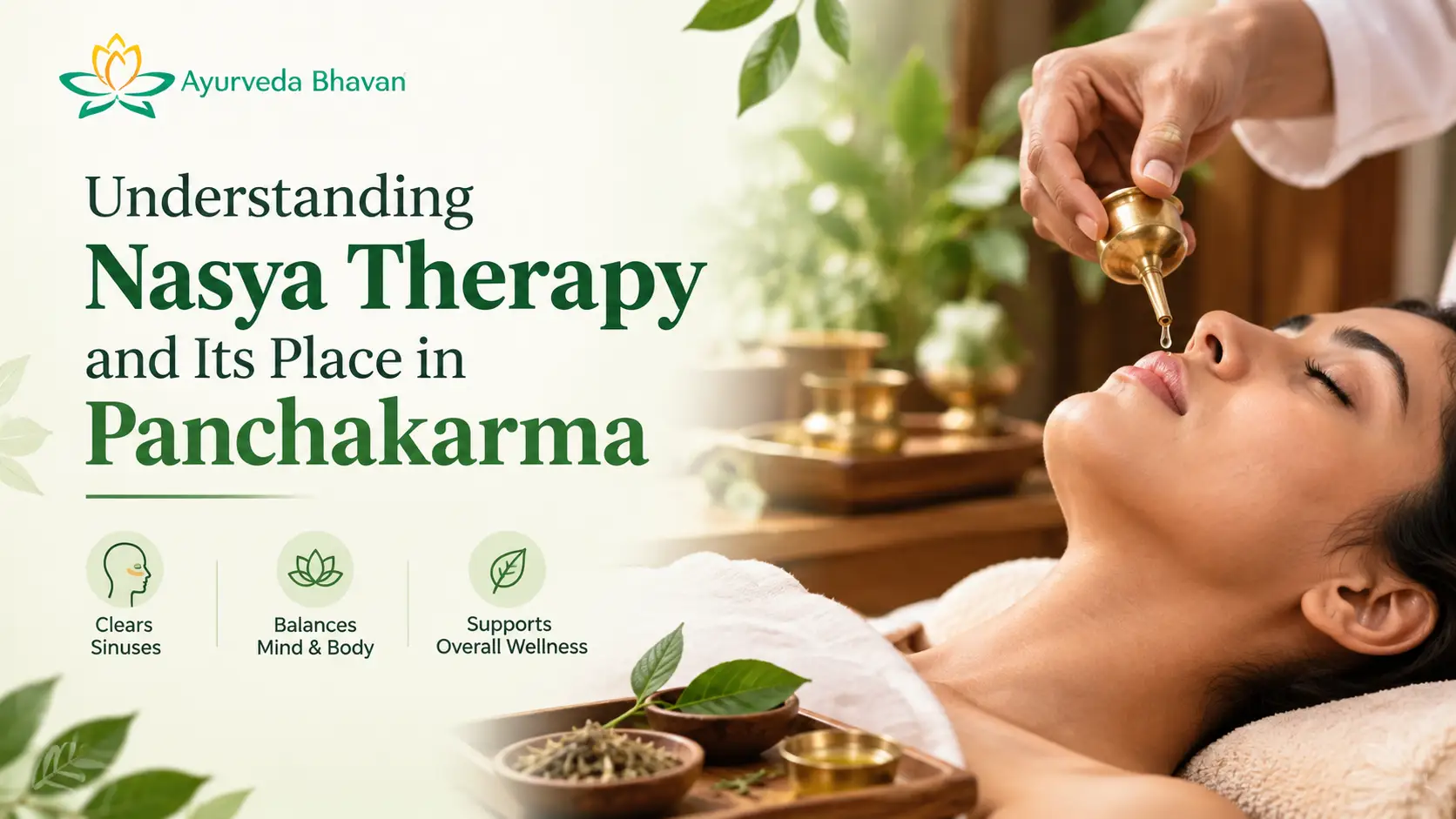
In simple words, Nasya treatment involves the use of medicated oils, herbal drops, and powders inhaled into the nostrils.
In Ayurveda, the nose is considered the entry point to the brain. It is very easy to understand the logic behind it. The nasal passage leads to places that impact the head, sinuses, and even the mind. Therefore, herbal oils can easily have an effect on these places through this pathway.
That is the reason Nasya treatment in Ayurveda is recommended to treat any kind of problem occurring above the collar bone. These problems include headaches, sinus problems, hair loss, eye problems, voice disorders, and even some sleeping problems.
Where Does Nasya Fit Into Panchakarma?
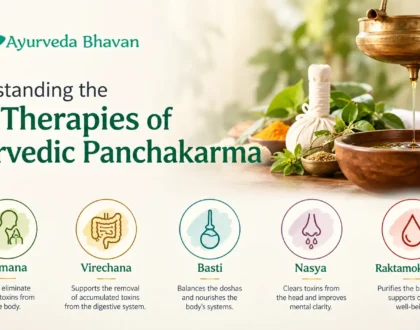
Nasya is one of the five therapies of the cleansing procedure known as Panchakarma in Ayurvedic medicine. The whole process of Panchakarma involves five cleansing therapies that aim at removing any accumulated toxic matter, popularly known as ama, from the body. However, Nasya is specifically designated to clean the accumulated toxins in the head and neck regions of the body.
In simple terms, if we view Panchakarma as a general cleansing of the whole body, Nasya can be regarded as the therapy that aims at cleansing the upper parts of the body from shoulders upwards. Before carrying out Nasya therapy, the body has to undergo snehana and swedana processes.
This is why Nasya is rarely given as a random, standalone treatment. It works best when it’s part of a structured plan, which is exactly why many people prefer booking a complete panchakarma package in rishikesh, where the entire detox sequence — preparation, Nasya, and post-care — is handled together instead of piecemeal.
Types of Nasya Therapy
Not all Nasya treatments are the same. Depending on what a person needs, practitioners choose from different types:
- Pradhana Nasya – the main therapeutic form, using medicated oils for specific health conditions
- Shamana Nasya – a milder version used to balance doshas without a full detox
- Navana Nasya – uses herbal decoctions, often for respiratory issues
- Marsha Nasya – a gentler, preventive dose, often used for general head and sensory health
- Pratimarsha Nasya – a very light, daily-use version that many people do at home for everyday wellness
A good practitioner doesn’t just pick one randomly — the choice depends on your body type, current health concerns, and what the treatment is meant to achieve.
Benefits of Nasya Therapy
People often ask what actually changes after a Nasya session. Here’s what tends to show up, based on both traditional texts and what patients commonly report:
- Noticeably clearer sinuses and easier breathing
- Reduced frequency of headaches and migraines
- Better sleep quality and reduced mental fatigue
- Improved hair health and reduced hair thinning
- Relief from chronic nasal congestion and allergies
- Better voice clarity for people with vocal strain
- A general sense of lightness in the head, almost like mental clutter has been cleared
The benefits of Nasya therapy aren’t just physical either. A lot of people describe a calmer, more settled mind after a few sessions — which lines up with Ayurveda’s long-standing belief that this treatment directly supports mental clarity.
Who Should Consider Nasya Therapy?
This treatment is generally suitable for people dealing with:
- Chronic sinus congestion or recurring colds
- Frequent headaches or migraines
- Hair fall or premature greying
- Dry nasal passages
- Mild insomnia or restlessness
- General stress-related tension in the head and neck
That said, Nasya isn’t meant for everyone in every condition. Pregnant women, people recovering from recent surgery, and those with certain acute illnesses are usually advised to skip it or wait until it’s safe. This is exactly why a proper consultation matters before starting.
What Happens During a Nasya Session?
Most people expect something complicated, but the actual process is fairly gentle:
- A short head, neck, and shoulder massage is done to relax the area
- Mild steam may be applied to open up the nasal passages
- The person lies down with the head slightly tilted back
- Medicated oil or herbal extract is administered drop by drop into each nostril
- A brief rest period follows, sometimes with light massage
The entire process usually takes under 30-45 minutes, and most people feel immediate lightness in the head afterward.
Is Nasya Therapy Safe?
Yes, but only when applied by a qualified practitioner and using the correct preparation for your particular body type. And that’s the real catch here – Nasya is not a treatment that can be generalized for everyone; its oils, dosage, and frequency vary depending on the individual, and that is why you should not apply it yourself.
Final Thoughts
This treatment is yet another proof of how well-tried the ancient wisdom of Ayurveda is. Nasya is a simple, non-invasive treatment, which addresses those conditions that people tend to put up with – chronic congestion, daily headaches, poor sleep quality, etc., but don’t treat.
Combining it with Panchakarma procedures will yield much better results compared to Nasya alone for people who are interested in cleansing their bodies.
For those who are thinking about this treatment and would like to receive it the proper way, Ayurveda Bhavan is always an option to consider.
Recommended Posts
Can Ayurveda Help Manage Type 2 Diabetes Naturally?
November 6, 2026
Ayurvedic Ways to Help Women’s Reproductive Health Naturally
November 2, 2026
Understanding the 5 Therapies of Ayurvedic Panchakarma
October 27, 2026