
Panchakarma Treatment Rishikesh: Natural Detox & Ayurvedic Healing
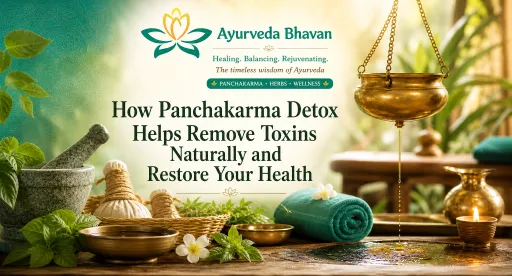
Most of us don’t notice it happening. One day you’re managing fine, and a few years later you’re waking up tired even after eight hours of sleep, your digestion feels “off” more often than not, and that nagging stiffness in your joints just never seems to go away. It’s rarely one big thing — it’s the slow buildup of late nights, skipped meals, packaged food, and constant deadlines that quietly wears the body down.
Ayurveda has always looked at this problem differently. Rather than treating each symptom on its own, it asks a more basic question: what’s happening inside the body that’s causing all of this in the first place? More often than not, the answer points to accumulated toxins — and the traditional way of clearing them out is a process called Panchakarma. A proper Panchakarma treatment doesn’t just mask symptoms; it’s built to address what’s actually going on underneath.
If you’ve been researching this online, chances are you’ve already come across Panchakarma Treatment Rishikesh as one of the more trusted options out there. There’s a reason Rishikesh keeps coming up — it’s home to some of the oldest, most authentic Ayurvedic practices in the country, set against the calm of the Himalayan foothills and the Ganga.
Why Panchakarma Treatment Matters for Detox
We live in a world full of processed meals, pollution, screen time, and constant low-grade stress — and the body was never really designed to handle all of it at once. It has its own cleansing systems, sure, but keep piling on the wrong habits day after day, and those systems start falling behind. This is exactly the gap that a proper Panchakarma treatment is designed to close.
That’s when people start noticing things: sluggish digestion, low energy by mid-afternoon, skin that just doesn’t look right, or sleep that never feels quite deep enough. None of it feels urgent enough to see a doctor about, so most people just live with it. A proper detox — not a three-day juice cleanse, but a real, structured one — gives the body room to catch up.
What Ayurveda Calls “Ama”
In Ayurvedic terms, this buildup has a name: Ama. It forms when food isn’t digested properly, usually because of a weak or overworked metabolism. Instead of turning into nutrients the body can use, it just sits there, slowly becoming waste that clogs up the system. Research on Ayurvedic detoxification methods has looked at how these traditional processes support digestion and metabolic health.
Irregular meal times, eating late, chronic stress, poor sleep — all of it feeds into Ama formation. Left unchecked, it blocks the body’s natural channels, and that’s usually where bigger health issues start to take root. This is exactly what a Panchakarma treatment is designed to reverse.
Signs Your Body Might Be Asking for a Reset
- Waking up tired no matter how much you slept
- Digestion that feels heavy or unpredictable
- Constipation or bloating that keeps recurring
- Energy that dips hard by the afternoon
- Headaches with no obvious trigger
- Bad breath or a coated tongue
- Stiff joints or unexplained body aches
- Skin that looks dull no matter what you use on it
- Trouble falling or staying asleep
- A general sense of being mentally “on edge”
None of these confirm toxin buildup on their own, but if several sound familiar, it’s worth having an Ayurvedic doctor actually look at what’s going on.
How Panchakarma Treatment Rishikesh Actually Works
Here’s where a genuine Panchakarma treatment differs from what most people picture when they hear “detox retreat.” It’s not a spa day. It’s a medically supervised process, happening in three distinct phases.
Preparation comes first — herbal oils, specific therapies, and dietary changes loosen the toxins that have settled in over time.
Cleansing is the core of the treatment, where the actual therapies happen depending on what your body needs — digestive issues, joint pain, stress, hormonal imbalance.
Recovery is the part people underestimate — guided rest, the right diet, and herbal support to consolidate the benefits instead of losing them within a week.
The Five Classical Therapies
- Vamana – Clears excess Kapha, done only under close supervision.
- Virechana – Targets excess Pitta, leaving digestion noticeably better.
- Basti – Uses medicated preparations to support the colon.
- Nasya – Herbal oils through the nose for respiratory and head-related issues.
- Raktamokshana – Used only in specific cases to purify the blood.
What People Actually Notice Afterward
Results vary, but the patterns that come up again and again include better digestion, noticeably more energy, stronger immunity, clearer skin, lower stress levels, deeper sleep, and better joint mobility.
Who Tends to Benefit Most
- Anyone dealing with ongoing stress
- Office workers stuck at a desk all day
- People with sluggish or unpredictable digestion
- Those recovering from years of poor habits
- Anyone interested in preventive care
- Frequent travelers with disrupted routines
- Older adults looking to move more comfortably
Picking the Right Clinic Matters More Than People Think
The clinic matters just as much as the treatment itself. If you’re comparing options for the Best Ayurvedic and Panchakarma Clinic in Rishikesh, it’s worth checking how long they’ve been operating and how personalized their approach really is.
Some places have built a genuine reputation over close to two decades, running under proper government-authorized AYUSH curative services — the same standards outlined by India’s Ministry of AYUSH, with therapists who’ve done this thousands of times. Add daily yoga, clean vegetarian meals, and a quiet setting near the Ganga, and it starts to make sense why people travel from over 30 countries for this specifically.
Keeping the Benefits After You Go Home
Doctors generally recommend eating fresh, home-style meals, staying properly hydrated, keeping meal times consistent, sticking with yoga, sleeping enough, and cutting back on processed food.
A Few Common Questions
Is Panchakarma right for everyone? Not automatically — a doctor needs to assess your specific condition first.
How long does it usually take? Somewhere between 11 and 28 days, depending on what you’re addressing.
Does everyone follow the same plan? No — treatment plans are built around each patient’s consultation.
Is yoga part of it? Usually, yes — paired with daily yoga and meditation.
Where This Leaves You
Good health really does start with a body that isn’t quietly fighting itself. If you’re seriously considering Ayurvedic Treatment in Rishikesh, you’re looking at one of the few places where this kind of care is still practiced the way it was meant to be. Whether what you’re after is better digestion, more energy, less stress, or getting ahead of problems before they start, Panchakarma offers an actual structured path guided by people who’ve been doing this for a very long time.
Recommended Posts
Ayurvedic mask | SPA
September 18, 2024
Panchakarma Treatments | Udvarthan
September 17, 2024
Local Attractions in Rishikesh
February 28, 2024
